Dr. Sohini Ray, the world-renowned master-artiste of classical Manipuri dance currently based in Los Angeles, USA will be touring India with her solo dance production ‘Bhaktirasgi maangal khonjel: Sounds and lights of devotion.’ from Dec 27 to Jan 12.
Dr. Sohini Ray, the world-renowned master-artiste of classical Manipuri dance currently based in Los Angeles, USA will be touring India with her solo dance production ‘Bhaktirasgi maangal khonjel: Sounds and lights of devotion.’ (Tour calendar enclosed below)
Dr. Ray, a rare combination of an outstanding performer and a prolific scholar, has won the prestigious Lestor Horton award in 2008 for her production “Gita Govinda”. (Lestor Horton award is the equivalent of the Grammy. It is given for live concert dance.) And, has received two more Horton nominations in 2007 and 2011. She won the Los Angeles Treasures award in 2007, and numerous other grants and fellowships.
A Ph. D. in anthropology from University of California at Los Angeles (UCLA), Dr. Ray has held fellowships in Harvard University and has taught both academic and practical dance classes in several American Universities.
Her research on Manipuri dance won the prestigious J.B. Donne prize in anthropology of art from the Royal Anthropological Institute, UK in 2009; she being the first dance-researcher in the world ever to have achieved this rare accolade, also the first Asian and the first woman.
Dr. Ray was identified as a child prodigy by the legendary Manipuri dance maestero late Guru Bipin Singh at age seven and was trained by him and his senior disciples, the Jhaveri sisters for more than twenty-five years. She received the prestigious national scholarship in Manipuri dance from the Government of India at age fourteen and numerous prizes and awards as a young performer in India, and was a lead dancer in Jhaveri sisters dance troupe for several years. Concurrently, while dancing professionally full-time through her college and university careers she stood first class first in Bachelor’s and Master’s degree in anthropology from University of Calcutta. In 1992 she chose to move to United States to pursue an MA in dance in University of California at Los Angeles, and has lived and worked there since.
Dr. Ray has travelled and researched in remote regions of Manipur for the past twenty years and has one of the finest collection of audio-visual materials on Manipuri dance in the world.
The said production, to be performed in India for the first time, was a finalist nominee for the 2010 Margaret Mead award given by the Society of Applied Anthropology of the American Anthropological Association for successfully establishing dance as an application of anthropology. It features live dance pieces from classical Manipuri dance (originally choreographed by late Guru Bipin Singh in collaboration with the Jhaveri sisters) and film segments shot in the temples of Manipur showing the ritual roots of the dance form.
Tentative tour calendar (Other shows in different cities are yet to be confirmed)
Dec 27 – National Centre for Performing Arts, Mumbai.
Dec 29 – Bharatiya Bidya Bhavan, Andheri, Mumbai.
Dec 30 – Shambhavi Dance Theater, Bangalore.
Jan. 2 – Little Star Foundation, Katni, Madhya Pradesh
Jan 6 – Aratrika Institute of performing Arts, Thane, Mumbai.
Jan 7 – Symbiosis Institute of Mass communications, Pune.
Jan 8 – Natarani, Darpana Institute, Ahmedabad Jan 9 – Bharath Festival, Vishakhapatnam, Andhra Pradesh
Jan 10 – India Habitat Centre, New Delhi.
Jan. 11 – Epicenter, Gurgaon.
Jan. 12 – Indradhanush festival, Azad Bhavan auditorium, New Delhi.
For more information please contact Sohini Ray sohiniray7@gmail.com

















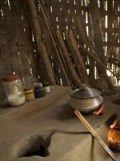 Growing up We had used firewood for cooking in a very basic simple kitchen. We still use it now too though we have the choice of cooking using gas (depending on the availability of getting gas in Imphal) …
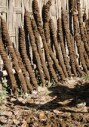 I remember my mother making cow dung for fuel and we use to help her. My mother fondly remember my sister helping her making cow dung for fuel (Shunthi Saba) with her little fingers as she says. It would be kept out in the sun for drying and we would run to collect and save it in case it starts raining … If we see cowdung on the road, I remember collecting it or running to tell Ema …
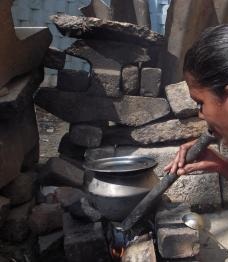 I remember seeing Ema with a pipe which is used for blowing the smoke while cooking and at times tears would roll down because of the smokes coming out ….It was a big celebration when our Grandmother gifted us with a hand blower which made it easier to blow the air and make the firewood burn easier.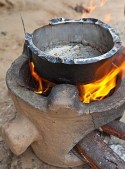

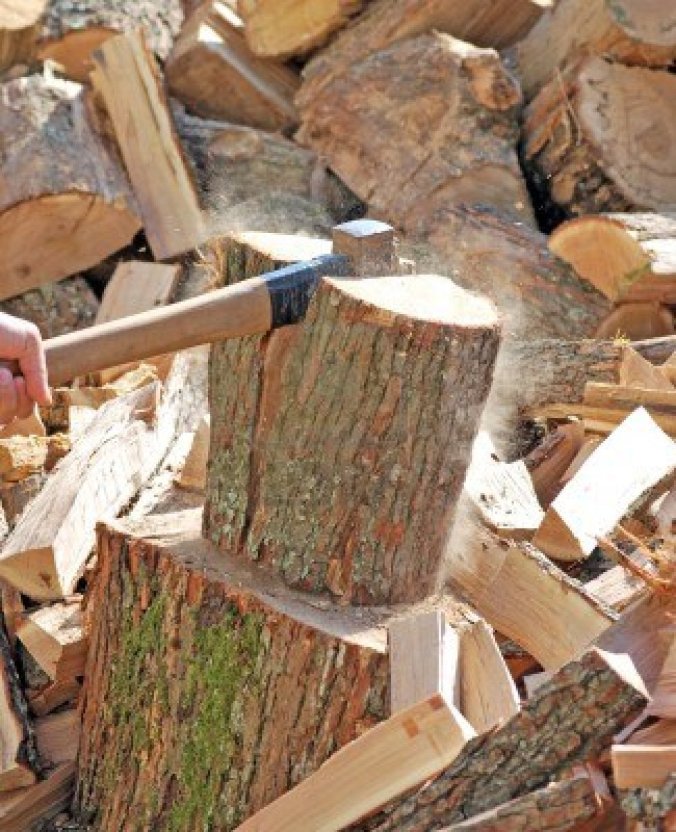
 Baba would cut the firewood using the axe. I remember him telling in a homourous way that is a way of him doing the work & exercise too.
 And finally we did upgrade to cooking with Gas and Ema (my mother) was very very happy, always keeping the Gas stove spick and span ….. But till today we do have our cooking place for cooking with firewood where we enjoy cooking & roasting fish.

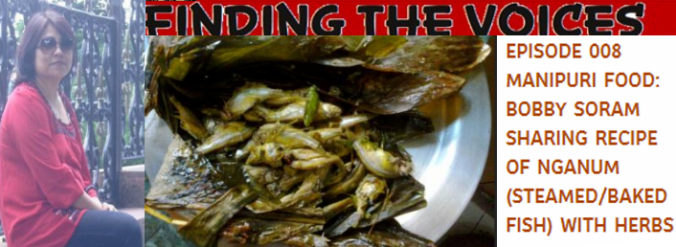
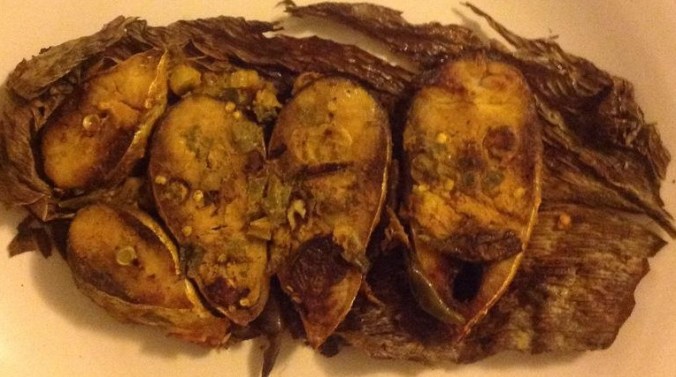
 FINDINGTHEVOICES
